Showing posts with label crypto kiosks. Show all posts

Springfield Plans Full Ban on Cryptocurrency Kiosks

Springfield Plans Full Ban on Cryptocurrency Kiosks

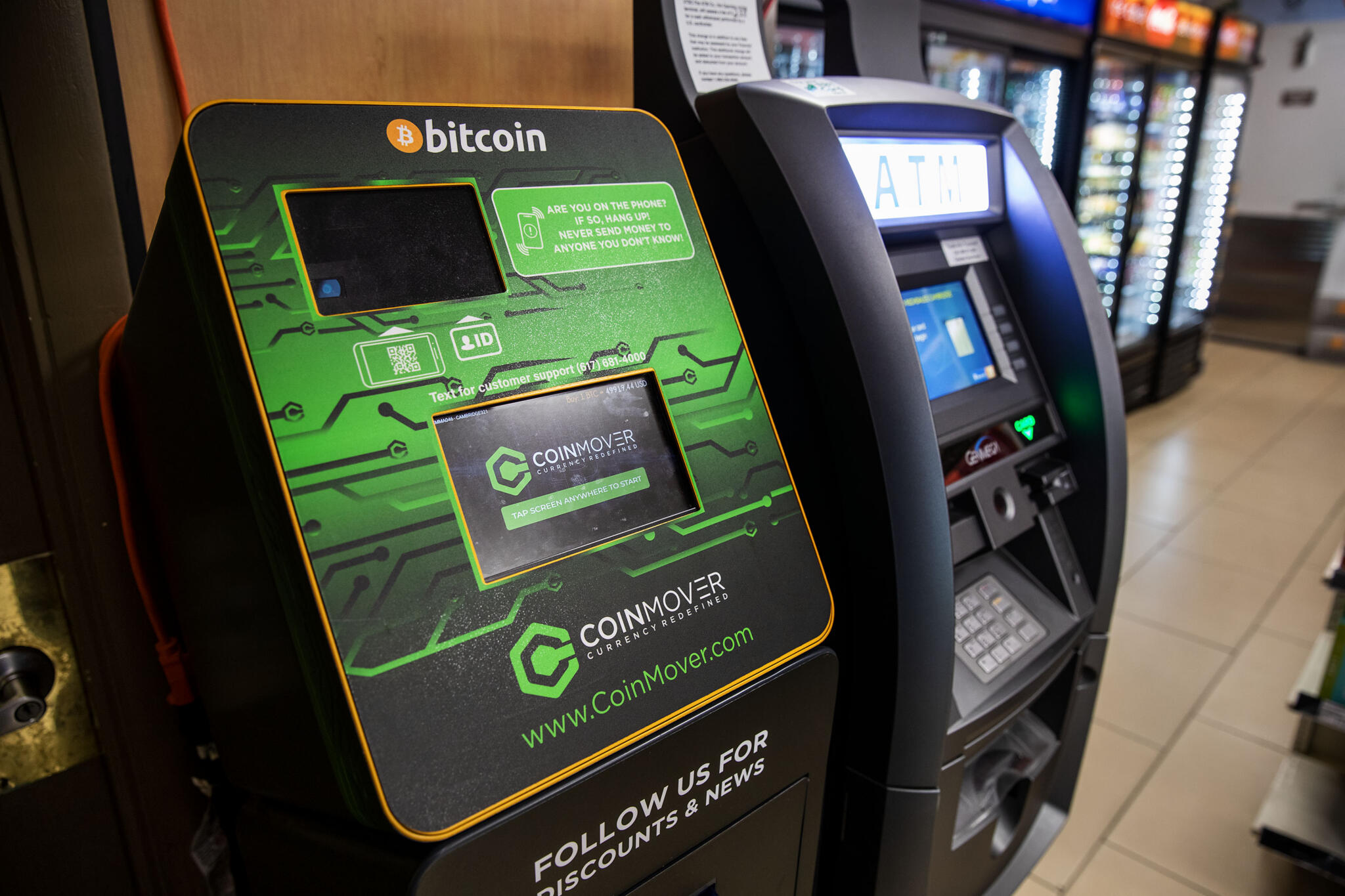
Springfield City Council is moving to consider a full ban on cryptocurrency kiosks. Officials want to remove these machines to stop criminals from taking money from local residents. The plan targets cash machines across the city that let people buy digital coins.

Why is Springfield banning crypto kiosks?

City leaders say cryptocurrency kiosks make it too easy for scammers to steal cash. Criminals often call people on the phone and trick them into sending funds. They tell victims to go to a local kiosk, deposit physical paper bills, and send the money to an unknown digital address.

Once a person deposits money into a machine to buy Bitcoin or other tokens, the funds leave their hands right away. The transaction cannot be canceled or reversed by a bank. Because of this, city leaders want to shut down the machines to keep people safe.

How scammers use cryptocurrency kiosks

Scammers use several common tricks to get people to use these cash machines. Most victims do not even know how digital tokens work until a caller tells them what to do. Here are the main ways these scams happen:

  • Callers pretend to work for the police, the tax office, or a utility company.
  • They tell victims that they will be arrested if they do not pay money right away.
  • The victim is directed to walk to the nearest cash machine to pay the fake debt.
  • The cash is sent straight into the wallet of the thief within seconds.

Local leaders hope that removing the kiosks will break this chain. If there is no machine down the street, a panicked victim has time to stop and think before losing their life savings.

What this ban means for local crypto users

A full ban will mean regular users cannot buy or sell digital tokens at local convenience stores. People who want to trade will need to use online accounts instead. These online services require bank transfers and ID checks, which makes quick fraud much harder to pull off.

Store owners who host the kiosks will also feel the change. Many small shops earn rent from companies that place the machines by the front door. If the city votes yes on the ban, those shops will lose that extra cash each month.

What happens next with the kiosk ban proposal

The city council will look over the rules and vote on the plan. Other towns are watching closely to see if Springfield passes the full ban. If the vote succeeds, more local governments may copy the law to protect their own residents.

Supporters say the move will save seniors and other vulnerable people from big financial losses. Opponents may argue that a complete ban limits new technology for everyone. The final decision will show how far local leaders are willing to go to fight fraud in their neighborhoods.


States and Cities Move to Ban Cryptocurrency Kiosks

States and Cities Move to Ban Cryptocurrency Kiosks

States and cities are moving to ban cryptocurrency kiosks as scams mount across the country. Local leaders want to stop bad actors from using these machines to steal money from residents. This push could soon remove physical crypto machines from gas stations, grocery stores, and local shops.

Why are cities banning cryptocurrency kiosks?

Lawmakers are acting because criminal fraud linked to these machines is growing fast. Criminals often tell people to send money through a kiosk to fix a fake problem with their bank or taxes. Many people who lose cash this way have no easy path to get their funds back once a transfer finishes.

Research into cryptocurrency and crime shows that physical machines are a common tool for tricking regular people. Scammers prefer kiosks because cash deposits turn into digital coins right away. Once that happens, the money moves to an anonymous digital wallet and vanishes from local reach.

What this means for everyday crypto users

For honest buyers, finding a machine nearby will soon become much harder. Many people use kiosks because they want to buy digital coins with physical cash instead of a bank card. If these bans pass, users must rely on licensed online exchanges to trade their funds instead.

Here is what happens when a city bans these machines:

  • Store owners must unplug and remove every kiosk from their shops.
  • People can no longer feed cash into a terminal to buy digital coins.
  • Scammers lose an easy way to push victims into sending fast cash.
  • Buyers must use online accounts that check user identities carefully.

How the machines work and why scams happen

A crypto kiosk looks just like a standard bank ATM, but it works very differently. Instead of taking money out of your local checking account, it trades paper cash for digital assets. Using a cryptocurrency network means transactions are final, so a kiosk operator cannot easily reverse an error or a theft.

Scammers exploit this speed by keeping victims on the phone while they stand in front of the machine. The caller scares the victim with threats of arrest or lost savings until the cash goes into the slot. Banning the machines takes this physical tool away from scammers who target older and vulnerable residents.

What to watch for next as new bans spread

More city councils and state lawmakers are preparing votes on similar rules right now. As a few areas pass complete bans, neighboring towns often decide to copy those exact same laws. Kiosk operators will likely push back to protect their investments, but public safety concerns are currently winning the debate.

In the coming months, expect strict new limits or total bans in several major regions. Federal agencies may also step in with national rules if local bans create a patchwork of different laws across states. Anyone who wants to buy digital assets should prepare for a future with fewer cash machines on the street.

UAE Court Freezes Stolen Binance Crypto Tokens

A court in the UAE has ordered a freeze on crypto tokens stolen from Binance wallets. Judges stepped in to stop the movement of the digital ...